Most Dangerous Dog Breeds: Facts vs Myths

Most Dangerous Dog Breeds: Facts vs Myths
Many dog breeds are labeled as “dangerous,” but behavior depends mostly on training, socialization, and the environment they grow up in. Some powerful breeds are misunderstood because of appearance, historical misuse, or media exaggeration. Below are the breeds most commonly discussed worldwide when talking about aggression and risk.
Pit Bull Terrier
Reputation vs Reality
Pit Bulls are often ranked first on “dangerous dog” lists. Their muscular build and strong jaw lead to fear-based assumptions.
Real fact: Most aggression cases involving Pit Bulls come from irresponsible ownership, illegal breeding, chained living conditions, and abuse—not natural temperament.
Why People Misunderstand Pit Bulls
-
Often used in dog fights
-
Frequently raised without training
-
Adopted by owners who encourage aggression
-
Media spotlight on every negative incident
A properly raised Pit Bull is affectionate, gentle, and extremely loyal.
Rottweiler
Protective Instincts Explained
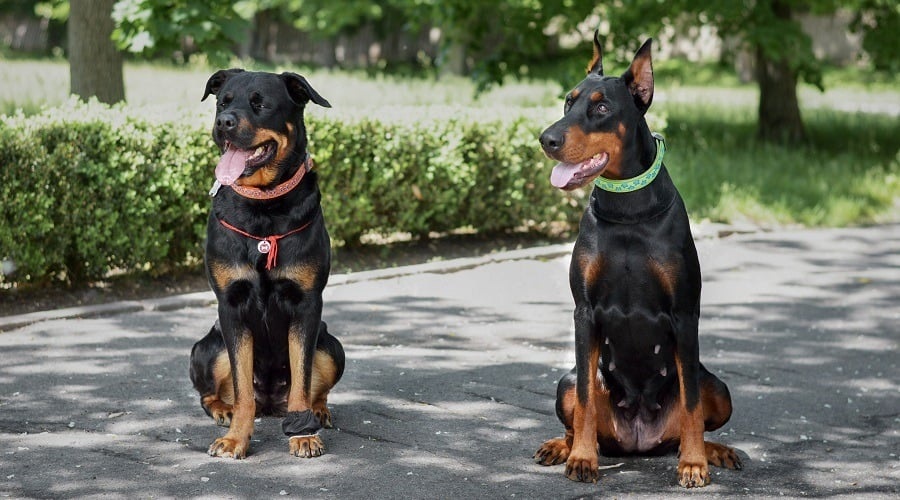
Rottweilers are strong, confident, and naturally protective. These traits sometimes cause people to assume aggression.
However: Their temperament is stable, calm, and reliable when trained early.
Common Traits
-
High intelligence
-
Strong guarding drive
-
Deep loyalty to family
-
Responsive to structured training
Rottweilers are excellent family protectors but require a confident owner.
Doberman Pinscher
One of the Most Misjudged Breeds
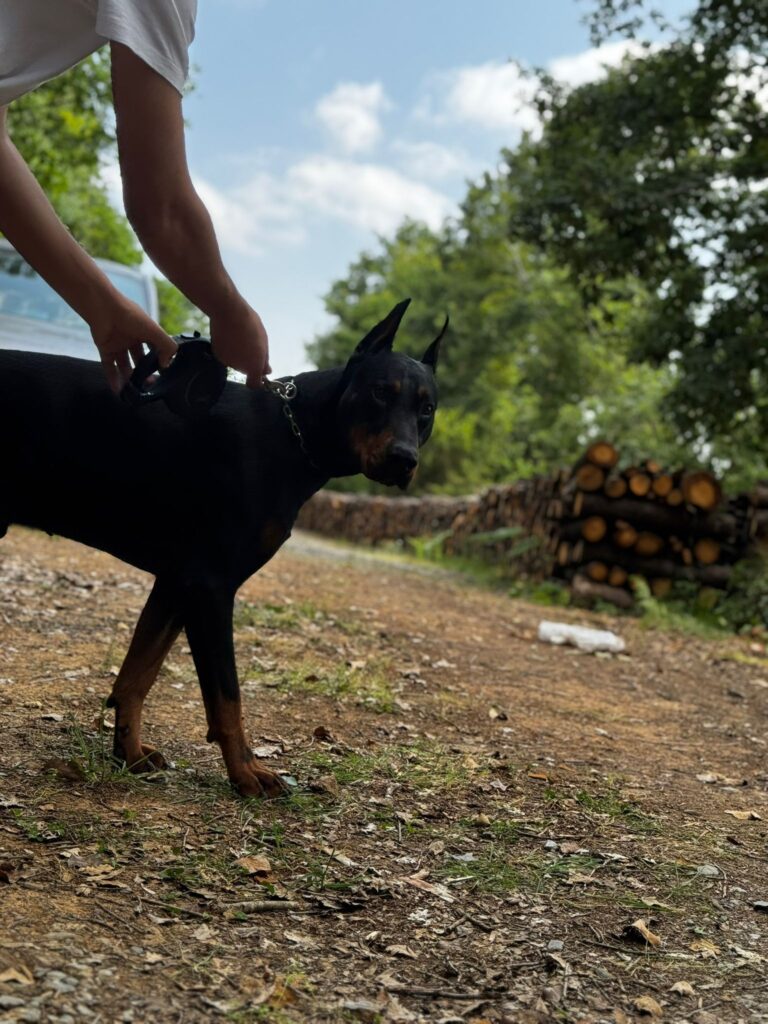
Dobermans are often labeled dangerous due to old stereotypes from decades ago. Modern Dobermans are extraordinarily disciplined and rarely show unprovoked aggression.
Why Dobermans Are Not Naturally Dangerous
-
Extremely intelligent
-
Highly loyal and owner-focused
-
Strong natural impulse control
-
React only when a real threat exists
Dobermans excel in obedience, protection, and family loyalty, making them one of the most reliable guard dogs worldwide.
German Shepherd
Strong But Trainable
German Shepherds are used in police, military, and service work, which often gives them a “dangerous” image. In reality, they are deeply loyal and family-oriented.
Behavioral Characteristics
-
Quick learners
-
Protective but not unstable
-
Require mental and physical exercise
-
Excellent with proper leadership
Lack of engagement or training can cause behavioral issues in this breed.
Siberian Husky
Why Huskies Appear on Some Lists
Huskies look like wolves, which makes some people view them as dangerous. The truth is they are not aggressive—only extremely energetic.
Key Traits
-
High prey drive
-
Escape-prone behavior
-
Stubborn personality
These features lead to misinterpretation, even though Huskies rarely show aggression toward humans.
Bullmastiff
Strong Appearance, Calm Heart
Bullmastiffs may look intimidating due to their size and muscular frame.
In reality: They are calm, stable, and gentle when socialized young.
Temperament Highlights
-
Quiet protectors
-
Affectionate with family
-
Natural guarding instincts
Their large size must be managed with early training, but they are far from naturally dangerous.
What Actually Makes a Dog Dangerous
Factors That Matter More Than Breed
A dog becomes dangerous due to:
-
Lack of training
-
No socialization
-
Abuse or neglect
-
Poor living conditions
-
Irresponsible ownership
-
Fear or stress buildup
-
Medical issues causing pain or discomfort
These elements shape behavior far more than genetics.
Misunderstood Breeds Share Similar Traits
Dangerous-labelled breeds usually have:
-
High intelligence
-
Strong protective instincts
-
Strong physical ability
-
Deep loyalty to their owners
With the right training, these traits become advantages—not risks.
The Truth Behind “Dangerous Dog” Labels
Dogs become stable, safe, and loving companions when raised in healthy conditions. Breeds like Pit Bulls, Rottweilers, Dobermans, and German Shepherds are not born aggressive—they are shaped by how they are treated, trained, and understood.