Dog Separation Anxiety: Signs, Causes & Proven Solutions

Dog Separation Anxiety: Signs, Causes & Proven Solutions
You close the door.
Before the elevator reaches the ground floor, the barking starts.
You come home to scratched doors, chewed furniture, and complaints from neighbors.
This is not “bad behavior.”
In many cases, it is dog separation anxiety.
Dogs are highly social animals. Some form such strong bonds with their owners that being left alone feels like a threat. In this guide, you will learn the signs, causes, and step-by-step solutions to help your dog feel safe when alone.
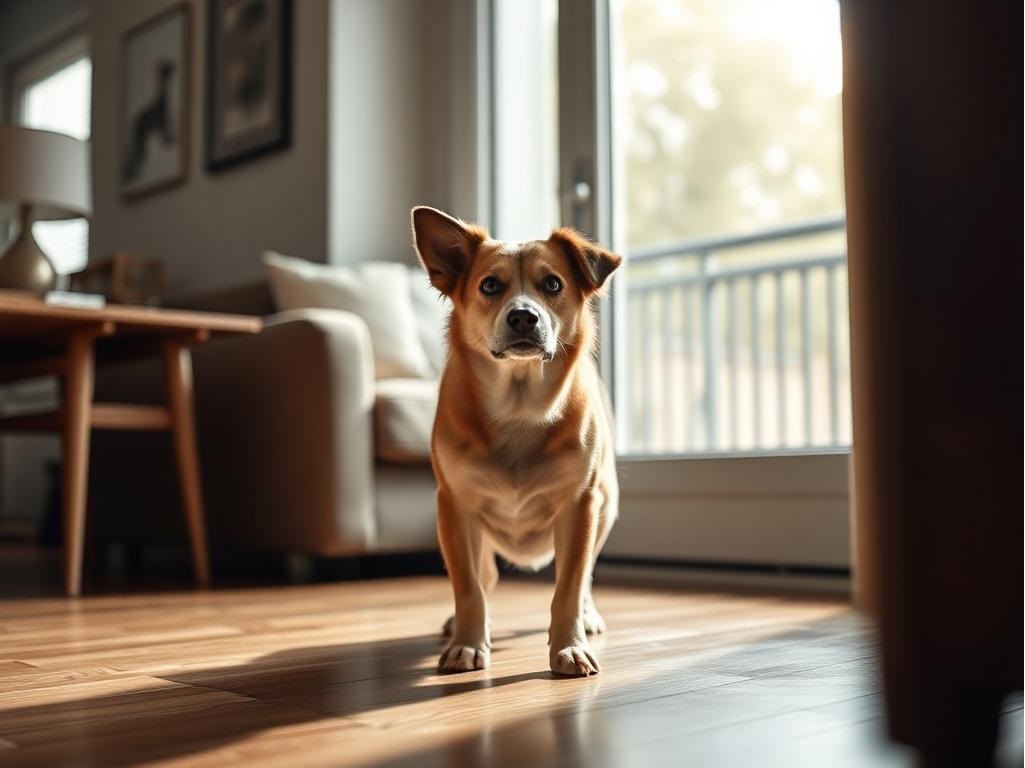
What Is Separation Anxiety in Dogs?
Separation anxiety is a condition where a dog experiences intense stress when separated from its owner.
It can lead to:
-
Excessive barking or howling
-
Destructive behavior
-
Indoor accidents
-
Pacing
-
Drooling
-
Attempting to escape
-
Self-harm in severe cases
This is not stubbornness. It is a stress response.
Signs of Dog Separation Anxiety
Common symptoms include:
-
Anxiety when you prepare to leave
-
Following you from room to room
-
Panic as soon as you step outside
-
Scratching doors or windows
-
Urinating or defecating indoors while alone
-
Extreme excitement when you return
If these behaviors only happen when the dog is alone, separation anxiety is likely the cause.

What Causes Separation Anxiety in Dogs?
1. Over-Attachment
If a dog is constantly with its owner and never learns independence, being alone becomes overwhelming.
2. Sudden Routine Changes
Triggers may include:
-
Moving to a new home
-
A new baby
-
A new pet
-
Change in work schedule
-
Loss of a family member
Dogs thrive on routine. Sudden changes can create insecurity.
3. Trauma or Abandonment History
Shelter dogs or previously abandoned dogs are at higher risk.
4. Lack of Physical and Mental Stimulation
A bored dog has excess energy, which can turn into stress when alone.
How to Fix Separation Anxiety in Dogs
Recovery requires patience and consistency.
1. Gradual Desensitization
Start small.
-
Leave for 5 minutes
-
Then 10 minutes
-
Then 20 minutes
Slowly increase the time away without triggering panic. This process may take weeks.
The goal is to teach your dog that you always come back.
2. Neutralize Departure Triggers
If your dog panics when you grab your keys:
-
Pick up your keys but do not leave
-
Put on your shoes and sit down
-
Open and close the door without exiting
Repeat these actions until they lose emotional meaning.
3. Exercise Before You Leave
A tired dog is a calmer dog.
Before leaving:
-
Take a long walk
-
Play fetch
-
Use puzzle toys
-
Practice obedience training
Physical and mental fatigue reduces anxiety levels.
4. Create a Safe Space
Set up a comfort zone that includes:
-
A cozy bed
-
Favorite toys
-
Background white noise or calming music
-
An item with your scent
This area becomes associated with safety.
5. Use Food Puzzle Toys
Interactive toys filled with treats redirect focus.
Give the toy only when you leave. Over time, your departure becomes associated with something positive.
6. Keep Departures and Returns Calm
Avoid dramatic goodbyes.
Leave quietly.
Return calmly.
Overly emotional greetings can reinforce anxiety cycles.
7. Seek Professional Help for Severe Cases
In moderate to severe cases, consult:
-
A certified dog trainer
-
A veterinary behaviorist
-
Your veterinarian
In some situations, temporary medication may be recommended under veterinary supervision.
How Long Does It Take to Fix Separation Anxiety?
Mild cases may improve within a few weeks.
Moderate to severe cases can take several months.
Consistency matters more than speed.
This is a long-term behavioral adjustment, not an overnight fix.
Can Separation Anxiety Be Prevented?
Yes.
From puppyhood:
-
Practice short, safe alone time
-
Encourage independent play
-
Avoid constant attention
-
Maintain structured routines
Teaching independence early reduces the risk of anxiety later.
“Why did my dog growl at me?”
“My dog suddenly attacked me.”
These questions usually come with fear and confusion. Most owners see their dogs as family members. When aggression appears, it feels personal.
But here is the truth: dogs rarely attack without a reason. Aggression is often a form of communication. It is a signal that something is wrong, misunderstood, or ignored.