How Often Should You Walk Your Dog? Daily Exercise Guide for Dogs

How Often Should You Walk Your Dog? Daily Exercise Guide for Dogs
How often should you walk your dog is one of the most common questions dog owners ask. Walking is not just about physical exercise. It also supports mental health, behavior balance, and emotional well-being. The ideal walking routine depends on a dog’s age, breed, energy level, and overall health.
Understanding your dog’s needs helps create a healthy daily routine.
Why Walking Your Dog Is So Important
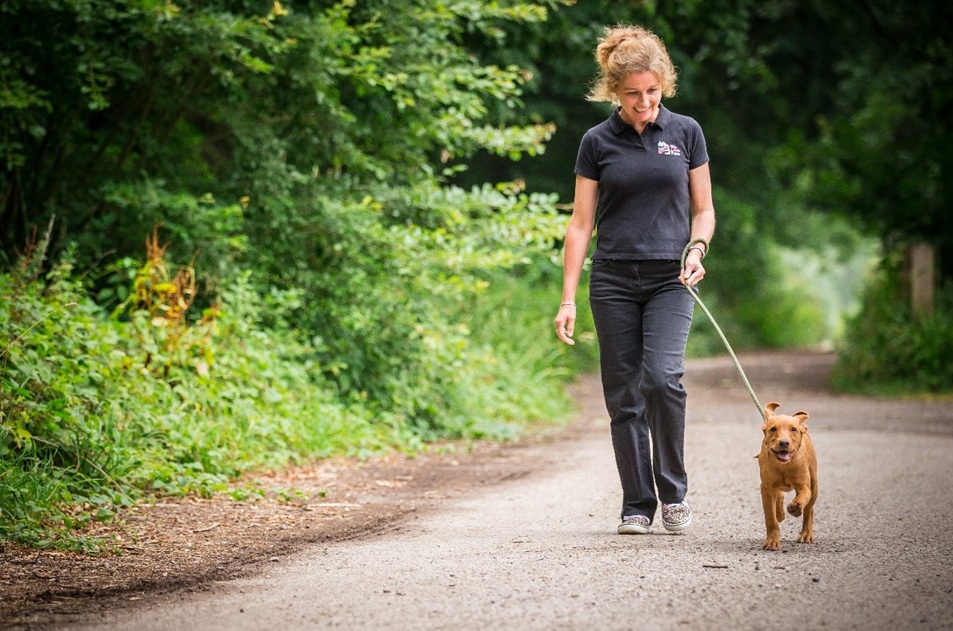
Walking provides essential physical exercise and mental stimulation. It allows dogs to explore their environment, release energy, and reduce stress. Dogs that do not get enough walks may develop behavioral issues such as excessive barking, chewing, or hyperactivity.
Regular walks also strengthen the bond between dogs and their owners.
How Often Should You Walk Your Dog Daily?
Most adult dogs benefit from at least one to two walks per day. However, high-energy breeds often require more frequent or longer walks. In general, dogs should be walked enough to meet both physical and mental needs.
Short walks may be sufficient for some dogs, while others need extended activity.
Walking Needs by Age
Puppies
Puppies have high energy but limited endurance. Short, frequent walks are best. A general guideline is five minutes of walking per month of age, up to twice a day.
Adult Dogs
Adult dogs usually need 30 to 60 minutes of walking daily. This can be split into multiple walks depending on energy level and routine.
Senior Dogs
Older dogs still benefit from daily walks, but at a slower pace and shorter duration. Walking helps maintain joint health and mental stimulation.
Breed and Energy Level Matter
Breed plays a major role when deciding how often should you walk your dog. Working and sporting breeds often need longer and more active walks. Calm or smaller breeds may require less physical activity but still benefit from mental stimulation.
Understanding breed characteristics helps prevent under- or over-exercising.
Health Considerations
Dogs with health conditions may have specific walking needs. Overweight dogs may benefit from more frequent low-impact walks, while dogs with joint issues require shorter, gentle walks.
Always consult a veterinarian if you are unsure about your dog’s exercise limits.
Signs Your Dog Needs More Walks
If your dog shows destructive behavior, restlessness, excessive barking, or weight gain, it may not be getting enough exercise. These signs often indicate a need for increased walking or mental stimulation.
Mental Stimulation During Walks
Walks are not only about distance. Allowing dogs to sniff, explore, and experience new environments provides mental enrichment. Sniffing reduces stress and improves overall behavior.
How often should you walk your dog depends on age, breed, energy level, and health. Regular walks support physical fitness, mental balance, and emotional well-being. A consistent walking routine helps create a happy, healthy dog and a stronger owner-dog bond.